Athens is the capital city of Greece and one of the oldest continuously inhabited cities in the world. Located in the Attica region, it lies near the Saronic Gulf and is surrounded by mountains, which have historically shaped its development. Athens is widely regarded as the cradle of Western civilization, having played a central role in the birth of democracy, philosophy, theater, and science.
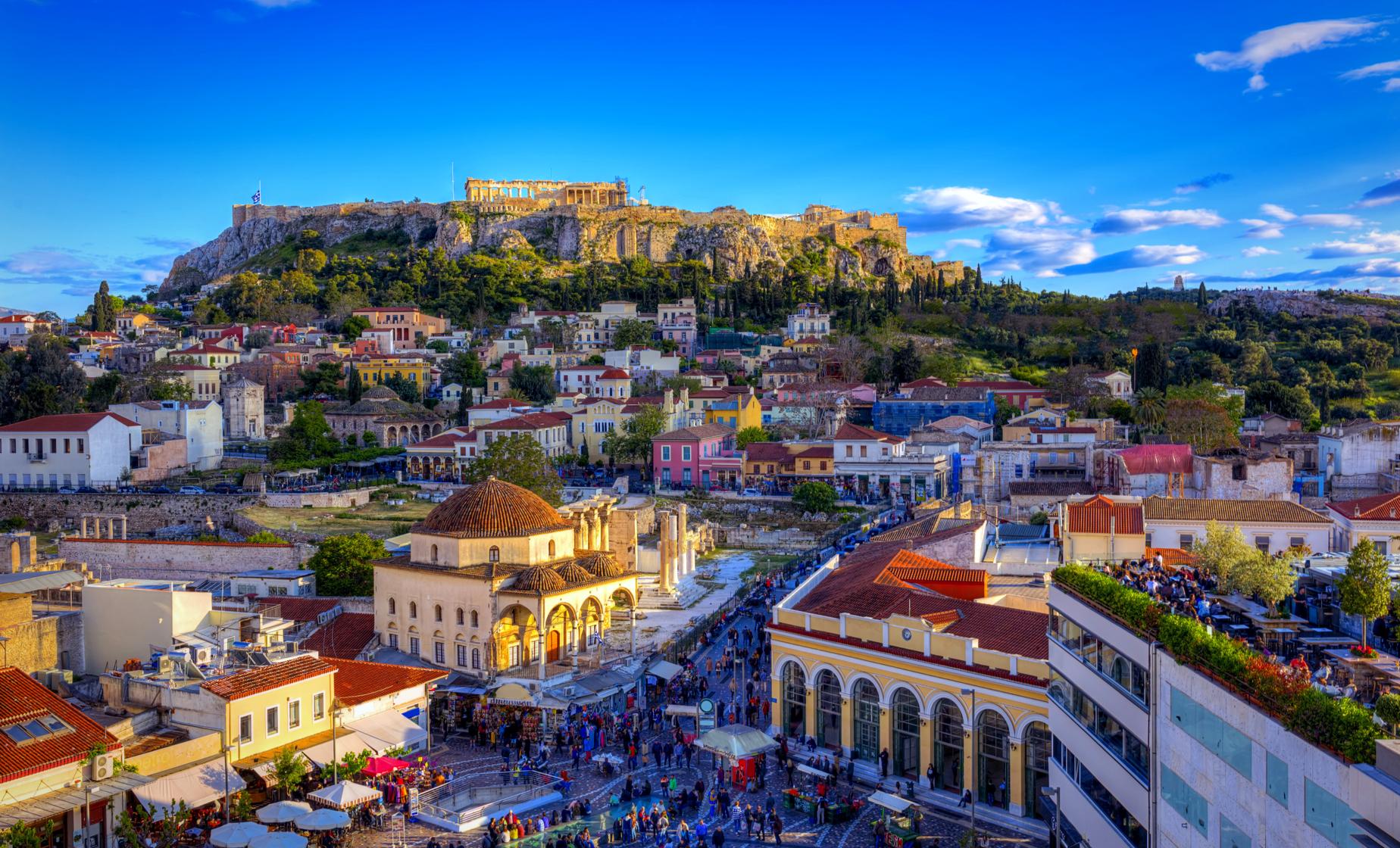
With a history spanning more than 3,000 years, Athens combines an extraordinary ancient heritage with a modern urban landscape. The city is dominated by the Acropolis, a rocky hill rising above the historic center and crowned by some of the most influential monuments of classical antiquity. Over the centuries, Athens has evolved through Roman, Byzantine, Ottoman, and modern Greek periods, each leaving a visible mark on the city’s architecture and culture.
Places of interest:
- Acropolis of Athens: The most iconic landmark of the city, home to the Parthenon and other classical temples dating back to the 5th century BC, and a UNESCO World Heritage Site.
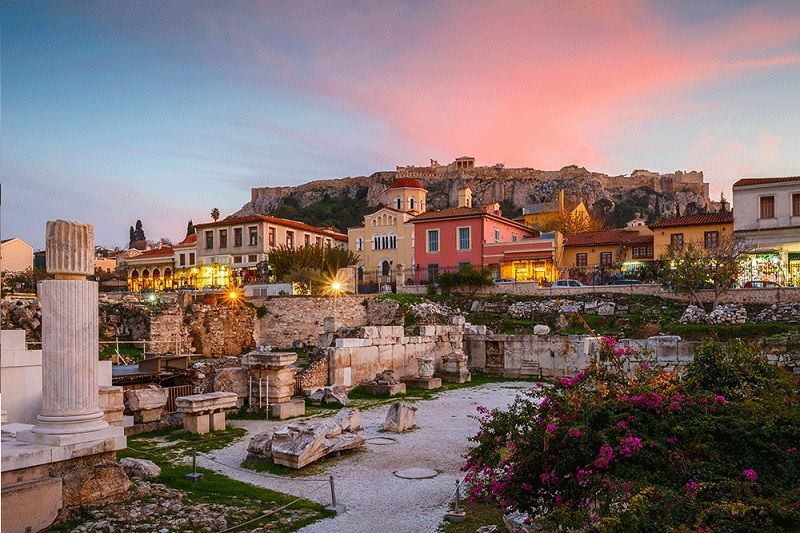
- Plaka: The oldest neighborhood in Athens, located at the foot of the Acropolis, known for its narrow streets, neoclassical houses, traditional tavernas, and lively atmosphere.
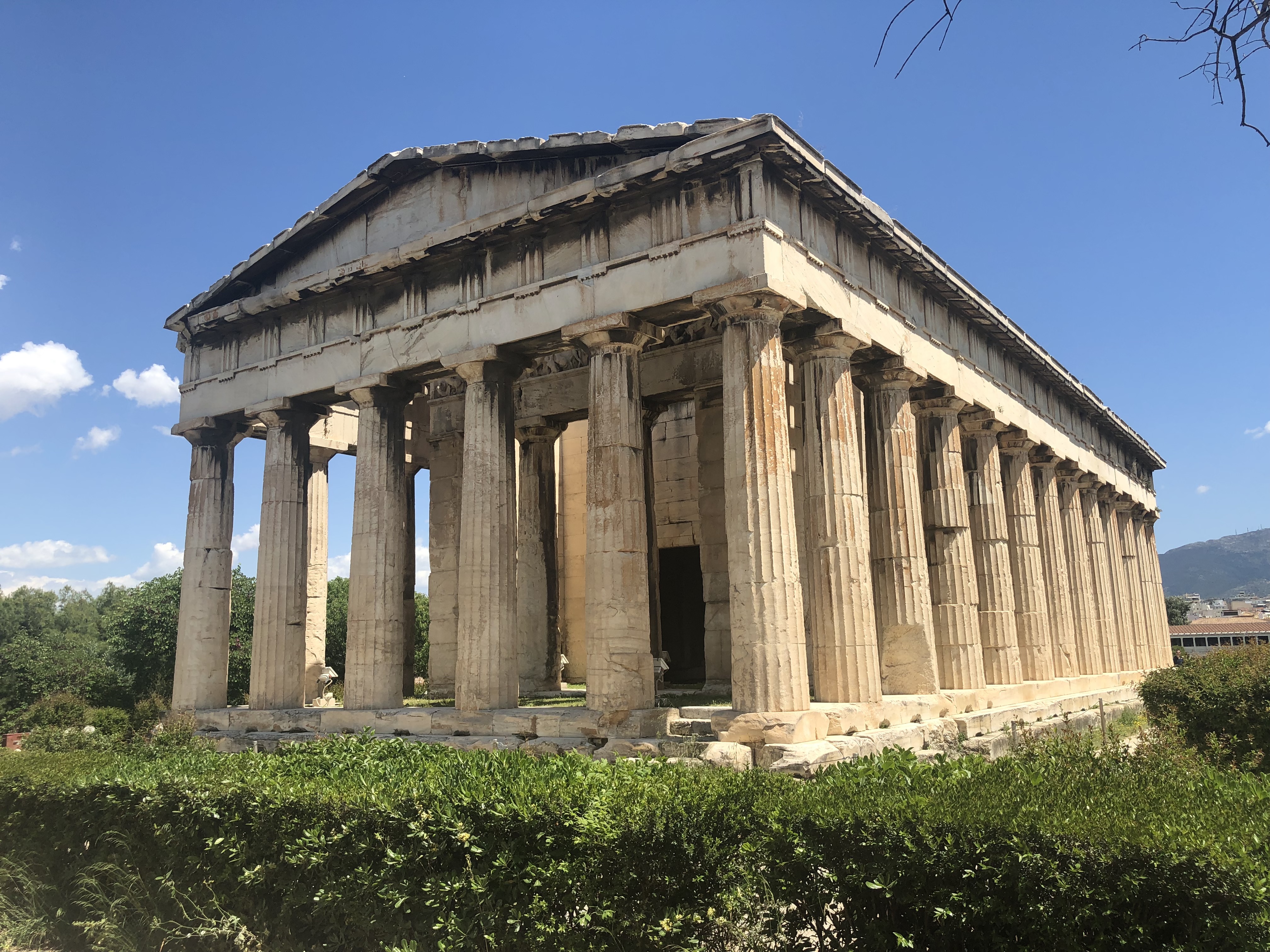
- Ancient Agora of Athens: The former political, commercial, and social center of ancient Athens, where philosophers such as Socrates once taught.
- Syntagma Square: The main square of the city, home to the Greek Parliament and the Tomb of the Unknown Soldier, famous for the changing of the guard ceremony.
- Temple of Olympian Zeus: One of the largest temples of the ancient world, dedicated to Zeus, located near the historic center of the city.